Can Genetic Preservation Help Protect Australia’s Wildlife?
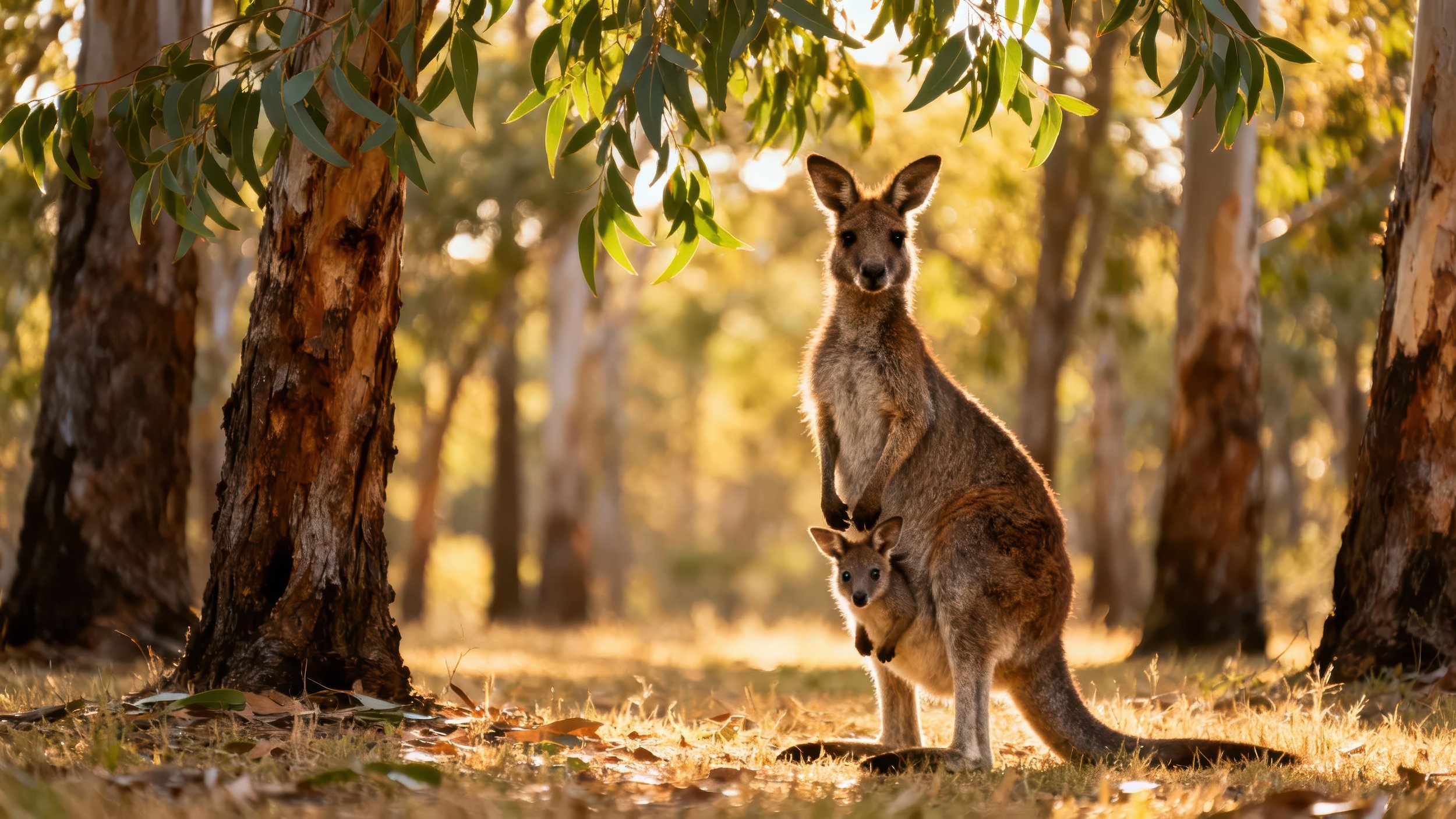
Kangaroo image courtesy of Vecteezy.com
Australia is home to some of the most unique wildlife on Earth. From iconic marsupials to rare native species found nowhere else, the country’s biodiversity is both extraordinary and vulnerable. Today, more than 1,650 native species are formally listed as threatened with extinction under national environmental legislation, and Australia has one of the highest documented mammal extinction rates in the world.
These declines are driven by a combination of habitat loss, invasive species, disease, climate variability, and increasing environmental instability. While Australia has strong conservation expertise, many existing approaches focus on protecting habitats and managing populations in the present. For some species, however, the pace of decline is outstripping recovery efforts, and time is running out.
Once a species disappears, its unique genetic diversity disappears with it. And as genetic diversity narrows, future options for species recovery become increasingly limited.
One emerging tool that can complement traditional conservation strategies is genetic preservation.
What Is Genetic Preservation for Conservation?
Genetic preservation is the process of safely collecting and storing genetic material from animals in secure biobanking facilities so it can be accessed in the future.
This does not involve genetic modification. It does not alter the species. Instead, it safeguards the biological blueprint of individual animals, preserving genetic diversity that might otherwise be lost.
For threatened or at risk species, conserving genetics can be just as important as conserving habitat.
Once unique genetic lines disappear, they cannot be recreated. Genetic preservation ensures that future conservation programs may have access to broader genetic resources if needed.
It is about protecting biodiversity at the molecular level.
Why Genetic Preservation Matters in Australia
Australia has one of the highest rates of species extinction globally. Habitat loss, climate variability, invasive species, and disease continue to impact native wildlife populations.
Conservation traditionally focuses on land management, breeding programs, and population monitoring. Increasingly, however, scientists recognise the importance of maintaining genetic diversity within species.
Genetic diversity supports:
Population resilience
Adaptability to environmental change
Long term species survival
Biobanking genetic material creates a secure archive of biodiversity. It provides a safeguard against irreversible genetic loss and supports future research, assisted breeding programs, and conservation planning.
The Role of Biobanking in Conservation
Animal biobanking involves the careful collection, processing, and long term storage of biological samples under controlled laboratory conditions.
In conservation contexts, this may include tissue samples collected opportunistically, during veterinary procedures, or as part of approved wildlife management programs.
Secure genetic archives can complement existing conservation efforts by adding a long term preservation strategy alongside habitat protection and species management.
Looking Ahead
Conservation in Australia requires both immediate action and long term thinking. Protecting ecosystems is critical, but so is protecting the genetic diversity within them.
Genetic preservation does not replace traditional conservation. It strengthens it.
NeoLife Biosciences is exploring how professionally managed genetic preservation services in Australia can contribute to responsible long term biodiversity protection, alongside agricultural and companion animal applications.
As the conversation around conservation evolves, safeguarding genetics may become an increasingly important part of protecting Australia’s natural heritage.
To learn more about genetic preservation in Australia, visit our FAQ or join our waitlist to stay informed as services develop.